

7 Proven Steps to Recover Crypto from a Fake Trading Platform
Recover crypto from a fake trading platform is a question many victims ask after discovering that a cryptocurrency investment website, trading app, or online broker may not be legitimate. Fake platforms can appear convincing, often displaying professional dashboards, artificial account balances, supposed profits, and withdrawal options that suddenly become unavailable.
When this happens, it is important to act carefully. Panic, repeated payments, and rushed decisions can make the situation worse. While cryptocurrency transactions are often difficult or impossible to reverse, taking the right steps can help preserve evidence, document the movement of funds, and identify legitimate recovery or reporting options.
Velow Group – Annonymously provides professional support for appropriate cryptocurrency recovery and fraud-related cases. Our approach combines technical assessment, blockchain analysis, digital evidence review, and responsible recovery practices.
This guide explains seven important steps to take if you are trying to recover crypto from a fake trading platform, what evidence to preserve, when professional assistance may be useful, and how to avoid becoming a victim of a second recovery scam.
What Is a Fake Crypto Trading Platform?
A fake crypto trading platform is a website, mobile application, or online service that falsely presents itself as a legitimate cryptocurrency investment or trading business.
Some fraudulent platforms use sophisticated designs and features that make them appear genuine. They may include:
- Professional-looking trading dashboards
- Fake cryptocurrency balances
- Artificial investment profits
- Fabricated market data
- Fake customer support
- False withdrawal confirmations
- Requests for additional fees
- Pressure to invest more money
In many cases, the displayed account balance does not represent real cryptocurrency held for the customer. Instead, the platform may control the information shown on the dashboard.
This is why a person may appear to have made substantial profits but later discover that withdrawals are blocked.
A common warning sign is when the platform requests additional payments before allowing a withdrawal. Victims may be told they need to pay:
- Taxes
- Withdrawal fees
- Unlocking fees
- Verification fees
- Anti-money-laundering fees
- Account activation fees
- Security deposits
Legitimate financial processes vary by jurisdiction and service, but repeated demands to send additional cryptocurrency to unlock an account should be treated as a serious warning sign
1. Stop Sending Money to the Fake Trading Platform
The first and most important step when attempting to recover crypto from a fake trading platform is to stop sending additional money.
Victims are sometimes told that one more payment will unlock their account or release their profits. Unfortunately, fraudulent operators may continue requesting new payments after each transfer.
Do not assume that paying another fee will automatically solve the problem.
Before making any further payment:
- Stop communicating through unverified channels
- Do not send additional cryptocurrency
- Do not provide private keys or seed phrases
- Do not install remote-access software requested by unknown individuals
- Preserve all communication records
If you believe you have been targeted by a fake crypto investment website, document the situation before deleting anything.
Why Acting Quickly Matters
Blockchain transactions can move quickly between addresses and across different services. Early documentation may help preserve information that could later be useful for:
- Transaction analysis
- Fraud reports
- Exchange notifications
- Law enforcement reports
- Professional case assessment
Stopping additional losses should always be the first priority.
2. Preserve Every Piece of Evidence
Evidence preservation is one of the most important parts of a potential fake crypto trading platform recovery case.
Do not rely only on memory. Create a clear record of what happened.
Collect and preserve:
- The website URL
- Screenshots of the trading platform
- Account balances displayed on the website
- Deposit records
- Withdrawal attempts
- Error messages
- Emails
- Text messages
- WhatsApp or Telegram conversations
- Social media messages
- Names and profiles used by the suspected scammers
- Payment requests
- Wallet addresses
- Transaction IDs or transaction hashes
Create a Timeline
A simple timeline can make a complicated case easier to understand.
Include:
- The date you first encountered the platform
- How you were introduced to the investment
- The date of each deposit
- The cryptocurrency used
- The wallet address involved
- The transaction ID
- Any attempted withdrawal
- Any request for additional fees
A detailed timeline can help when seeking professional advice or reporting suspected fraud.
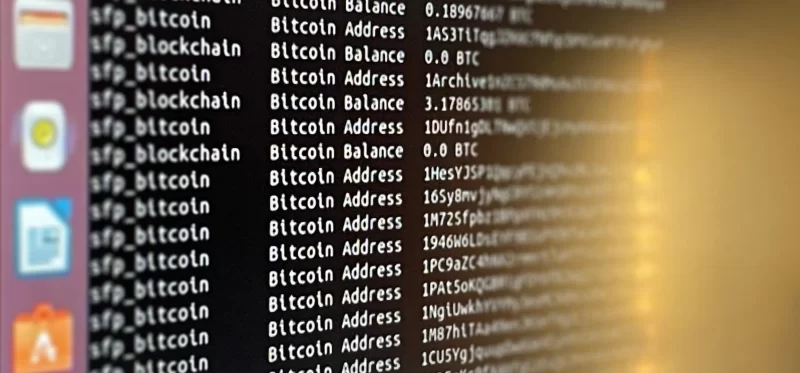
3. Identify and Verify Every Blockchain Transaction
If cryptocurrency was transferred to a suspected fraudulent platform, transaction records may contain valuable information.
Most public blockchains provide transaction data that can be reviewed using blockchain explorers.
Depending on the cryptocurrency, transaction information may include:
- Sending address
- Receiving address
- Transaction hash
- Date and time
- Transaction amount
- Confirmation status
This information can help establish where the cryptocurrency was initially sent.
However, blockchain analysis has limitations.
Seeing a transaction on a blockchain does not automatically mean the funds can be returned. Cryptocurrency may be moved through multiple addresses, exchanges, services, or other mechanisms.
A professional investigation may focus on understanding the available transaction trail rather than making unrealistic promises.
For general information about blockchain and cryptocurrency technology, you can visit Bitcoin.org and Ethereum.org.
4. Report the Fake Crypto Trading Platform
If you suspect you have been defrauded, consider reporting the incident to the appropriate authorities or organizations in your jurisdiction.
The correct reporting options depend on your location and the details of the case.
You may consider contacting:
- Local law enforcement
- National cybercrime reporting services
- Financial fraud reporting organizations
- Consumer protection authorities
- Cryptocurrency exchanges involved in the transaction
Provide accurate information and avoid exaggerating or changing details.
Include:
- Transaction IDs
- Wallet addresses
- Website URLs
- Screenshots
- Communication records
- Dates and amounts
Reporting does not guarantee that cryptocurrency will be recovered. However, reports can help document the incident and may support wider investigations into fraudulent activity.
For cybersecurity and online fraud awareness resources, you can also review CISA Cybersecurity Resources.
5. Contact Relevant Cryptocurrency Platforms Where Appropriate
In some situations, cryptocurrency transferred from a legitimate exchange may later move through another identifiable exchange or service.
If you can identify a legitimate service connected to the transaction, you may be able to submit a fraud report to that platform.
Provide:
- Transaction IDs
- Wallet addresses
- Relevant dates
- Evidence of suspected fraud
- Your report or case information where applicable
Do not contact random websites claiming to represent an exchange.
Always use the official website or official support channels of the relevant platform.
A legitimate service may have internal procedures for reviewing reports involving suspected fraud, but the outcome depends on the specific circumstances and applicable legal requirements.
This is another reason why accurate transaction documentation is important.
6. Consider Professional Crypto Recovery and Investigation Support
Trying to recover crypto from a fake trading platform can become technically complex.
A professional service may help assess:
- The transaction history
- Available blockchain data
- Wallet addresses
- The suspected fraudulent platform
- Communication records
- Technical evidence
Velow Group – Annonymously offers specialized support for cryptocurrency-related recovery and fraud cases.
Our services include:
- Cryptocurrency Scam Recovery
- Crypto Trading Fraud Recovery
- Crypto Investment Recovery
- Crypto Asset Recovery
- Bitcoin Recovery
- Crypto Wallet Recovery
- Romance Scam Recovery
You can explore our Cryptocurrency Recovery Services to find the service most relevant to your situation.
What a Professional Assessment Can Do
A professional assessment may help organize complex information and determine what options are realistically available.
Depending on the case, the process may involve:
- Reviewing transaction records
- Analyzing available blockchain data
- Organizing digital evidence
- Reviewing the fraudulent platform
- Identifying relevant transaction information
- Assessing possible next steps
What a Professional Recovery Service Cannot Honestly Promise
Be cautious of any company that promises:
- Guaranteed recovery
- Instant recovery
- Access to every wallet
- The ability to reverse every blockchain transaction
Cryptocurrency recovery depends on the specific circumstances of each case.
A responsible recovery company should explain technical and legal limitations clearly.
7. Protect Yourself From a Second Recovery Scam
Unfortunately, people who have already lost cryptocurrency can become targets for a second scam.
Recovery scammers may claim:
- They already found your funds
- They have hacked the scammer
- They can guarantee recovery
- They need an advance payment immediately
- They require your wallet seed phrase
- They need remote access to your computer
Be extremely careful.
Never Share Your Seed Phrase or Private Key
Your seed phrase and private keys can provide access to your cryptocurrency.
Do not share them with:
- Unknown recovery agents
- Social media users
- Unverified websites
- People who contact you unexpectedly
A legitimate professional service should not encourage unsafe handling of highly sensitive credentials.
Be Careful With Unsolicited Messages
Be cautious if someone contacts you after your loss and claims they can recover your funds immediately.
Recovery scammers may search social media for victims of cryptocurrency fraud.
They may use convincing language, fake testimonials, or stolen identities.
Always independently verify any company before engaging its services.
Common Signs of a Fake Crypto Trading Platform
Understanding warning signs can help prevent further losses.
Guaranteed Profits
Cryptocurrency markets involve risk.
Promises of guaranteed or risk-free profits should be treated with caution.
Difficulty With Withdrawals
A platform that allows deposits but repeatedly blocks withdrawals may be suspicious.
Common excuses include:
- Technical maintenance
- Additional verification
- Tax payments
- Security checks
- Withdrawal limits
Pressure to Invest More
Scammers often encourage victims to increase their deposits.
They may claim that:
- A major opportunity is ending
- More money is required to unlock profits
- An account needs to reach a minimum balance
High-pressure tactics are a significant warning sign.
Communication Through Unofficial Channels
Be cautious when investment representatives communicate exclusively through:
- Telegram
- Social media direct messages
These platforms can be used legitimately, but scammers frequently use private messaging to build trust and avoid formal oversight.
Fake Profits on the Dashboard
A displayed profit does not necessarily mean real cryptocurrency exists.
A fraudulent website can simply show numbers that are not connected to real blockchain activity.
This is why blockchain transaction verification can be important.
How Fake Crypto Investment Websites Usually Work
Many fake crypto investment websites follow similar patterns.
Step 1: The Initial Contact
The victim may encounter the scam through:
- Social media
- Dating platforms
- Messaging applications
- Online advertisements
- Fake investment groups
- Impersonated financial experts
Step 2: Building Trust
The scammer may spend days or weeks building a relationship.
They may show:
- Fake profits
- Fake testimonials
- Fake withdrawal records
- Edited screenshots
Step 3: The First Deposit
The victim sends cryptocurrency or money to begin investing.
The platform may initially show positive returns.
Step 4: Increased Deposits
The victim is encouraged to invest more.
Sometimes small withdrawals are allowed early to build confidence.
Step 5: The Withdrawal Problem
When the victim tries to withdraw a larger amount, problems begin.
The platform may demand additional payments.
Step 6: Continued Fee Requests
The victim may be told to pay multiple fees before the withdrawal can be released.
This can continue until the victim stops sending funds.
Recognizing this pattern may help prevent additional losses.
Fake Crypto Trading Platform Recovery: What Information Is Most Important?
When seeking help with a fake crypto investment website recovery, the quality of available information can matter significantly.
Prepare the following information.
Transaction Hashes
Transaction hashes can help identify specific transfers on the blockchain.
Wallet Addresses
Record all known addresses connected to the transaction.
Platform Details
Save:
- Website name
- Website URL
- App name
- Email addresses
- Phone numbers
Communication Records
Preserve conversations with the people involved.
Screenshots
Capture:
- Your account balance
- Deposit history
- Withdrawal requests
- Error messages
- Fee requests
Do not alter original evidence if possible.
When Should You Hire a Crypto Recovery Professional?
Professional help may be useful when:
- The financial loss is significant
- The transaction history is complicated
- Multiple cryptocurrencies are involved
- A fake trading platform is involved
- You need help organizing evidence
- You are unsure how to analyze blockchain transactions
- You have legitimate documentation but do not know what to do next
Velow Group – Annonymously provides professional support for appropriate cases involving cryptocurrency fraud and recovery.
Our approach focuses on responsible assessment rather than unrealistic guarantees.
For cases involving suspected fraudulent investment websites, you can also explore our Crypto Investment Recovery service.
How Velow Group – Annonymously Can Help
Velow Group – Annonymously specializes in cryptocurrency recovery and technical case assessment for appropriate situations.
Our process may involve reviewing the information available and identifying the type of recovery or investigation support that may be relevant.
Structured Case Review
Every case is different.
A structured review can help identify:
- The cryptocurrency involved
- The type of transaction
- The suspected platform
- The available evidence
- Relevant transaction records
Advanced Technical Assessment
Modern cryptocurrency cases may require technical understanding of:
- Blockchain systems
- Wallet structures
- Transaction records
- Digital evidence
- Cryptocurrency platforms
Our services are designed to support appropriate cases through specialized knowledge and technology.
Specialized Recovery Services
Velow Group – Annonymously offers different services because cryptocurrency problems are not all the same.
A lost Bitcoin wallet requires a different approach from a fraudulent trading platform.
Learn more about our Cryptocurrency Scam Recovery service for scam-related cases.
Best Legal Practices for Crypto Recovery
Anyone seeking to recover crypto from a fake trading platform should remain aware of legal and ethical boundaries.
Professional recovery should involve lawful and authorized processes.
Only Pursue Legitimate Claims
Recovery efforts should relate to:
- Your own cryptocurrency
- Assets you are legally authorized to represent
- A documented fraud case
- A legitimate business investigation
Avoid Unauthorized Access
No recovery process should involve unauthorized access to:
- Another person’s wallet
- Private accounts
- Computer systems
- Exchanges
Preserve Accurate Information
Provide accurate information when reporting a case.
False information can create additional legal complications.
Seek Legal Advice Where Necessary
Complex financial fraud cases may require legal guidance.
A qualified legal professional can provide advice based on the laws that apply to your location and situation.
Can You Really Recover Crypto From a Fake Trading Platform?
The honest answer is that it depends.
Some cases may have useful transaction records, evidence, or identifiable points that can support further action.
Other cases may be extremely difficult or impossible to recover.
Factors can include:
- The cryptocurrency used
- The blockchain involved
- The transaction path
- Whether funds reached an identifiable service
- The available evidence
- The speed of reporting
- Legal jurisdiction
No responsible company should guarantee a recovery result without reviewing the circumstances.
If someone promises guaranteed recovery before understanding your case, treat that claim carefully.
Frequently Asked Questions
Can I recover crypto from a fake trading platform?
Recovery depends on the specific circumstances, available transaction information, evidence, and technical or legal options. Cryptocurrency recovery cannot be guaranteed.
Can a fake crypto trading platform be traced?
Transaction activity on public blockchains may be analyzed, but tracing transactions does not automatically result in recovery.
Should I pay a fee to unlock my crypto account?
Be extremely cautious. Repeated demands for additional payments to release funds are a common feature of cryptocurrency investment scams.
Can blockchain transactions be reversed?
Most blockchain transactions are not reversible once confirmed. This is why acting quickly and documenting the transaction is important.
What should I do after discovering a fake crypto investment website?
Stop sending money, preserve evidence, document transaction information, report the suspected fraud where appropriate, and consider professional guidance.
How do I avoid a crypto recovery scam?
Avoid companies that guarantee recovery, request your seed phrase, contact you unexpectedly, or pressure you into immediate payments.
Can Velow Group – Annonymously help with fake trading platform cases?
Velow Group – Annonymously provides professional cryptocurrency recovery and fraud-related support for appropriate cases. You can explore our Crypto Recovery Services to identify the relevant service.
Final Thoughts: Take Careful and Informed Action
Trying to recover crypto from a fake trading platform can be stressful and complicated. The most important thing is to avoid making the situation worse.
Start by stopping additional payments and preserving all available evidence.
Document your transactions, record the wallet addresses involved, save communication records, and report the suspected fraud through appropriate channels.
If the case is complex, professional cryptocurrency recovery and technical assessment may help you understand the available options.
Velow Group – Annonymously provides specialized services for appropriate cryptocurrency recovery, scam recovery, investment fraud, and digital asset cases.
Explore our Cryptocurrency Recovery Services to learn more about the available support options.
Remember: legitimate cryptocurrency recovery should be based on realistic expectations, careful evidence preservation, lawful practices, and professional technical assessment. No one should promise guaranteed recovery before understanding the facts of your case.
