
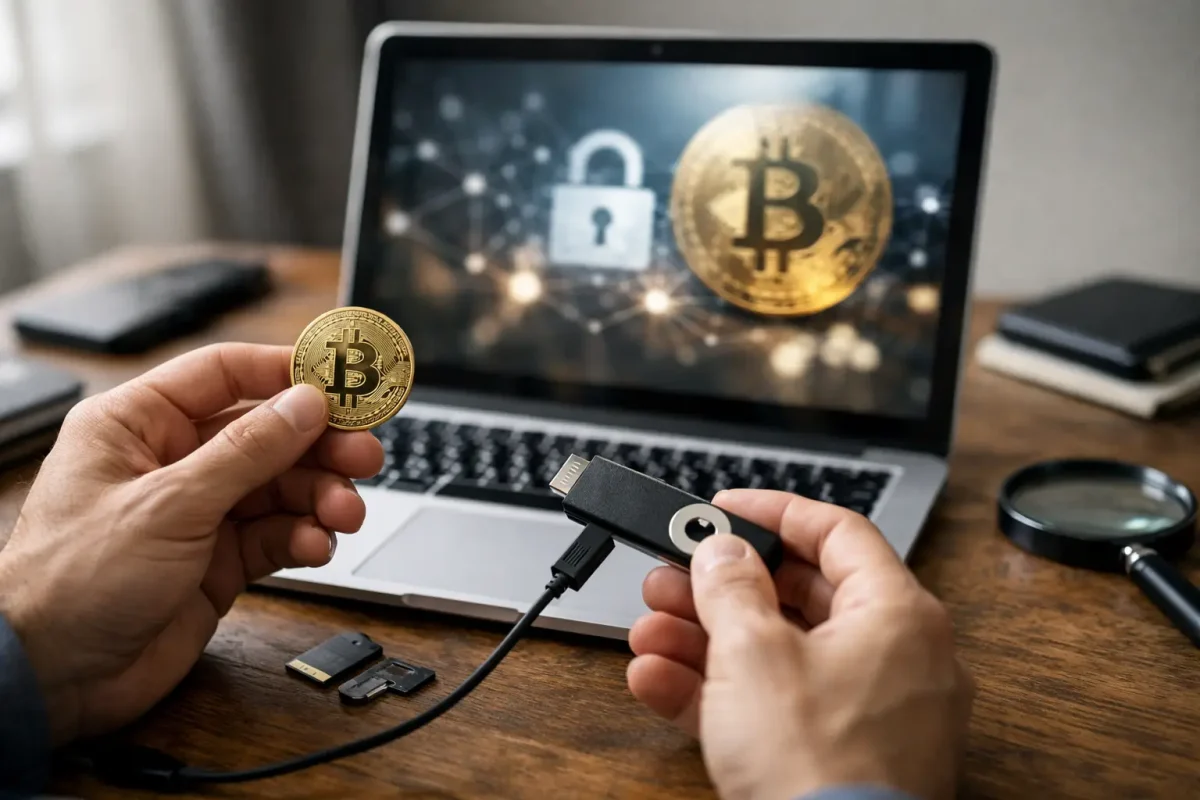
A lost Bitcoin wallet can create instant panic, especially when you know the funds are still visible on the blockchain but cannot access them. If you are searching how to recover lost bitcoin wallet access, the first priority is to protect every remaining piece of evidence: old devices, password managers, emails, backup drives, written notes, wallet files, and transaction records.
Bitcoin does not have a central support desk that can reset a password or reverse a transfer. Recovery depends on what remains: a seed phrase, private key, wallet backup, encrypted file, known password pattern, or traceable transaction path. The right approach is methodical, confidential, and realistic about what can and cannot be recovered.
Stop, Preserve, and Assess the Situation
Do not repeatedly guess passwords inside a wallet application without understanding its limits. Some hardware wallets, exchanges, and encrypted applications can trigger security delays, erase data after too many incorrect attempts, or make a fragile situation worse. Avoid reinstalling software, formatting old computers, or “cleaning up” a phone until you have checked it for wallet data.
Start by writing down what you know. Record the approximate date you acquired Bitcoin, the wallet or exchange you used, every device you may have used, any email addresses connected to the account, and known receiving addresses. If you can see a Bitcoin address with a balance, save it. It helps establish whether the assets remain untouched and can support a later forensic review.
Create a secure inventory of potential recovery materials:
- Old laptops, desktop computers, phones, and external drives
- Password managers, encrypted notes, notebooks, and safe-deposit records
- Wallet backup files, including Bitcoin Core wallet.dat files
- Hardware wallets, recovery cards, and partial seed phrase records
- Exchange account emails, transaction IDs, and purchase receipts
Do not send this information to strangers through social media, messaging apps, or unverified recovery websites. A legitimate recovery process will not require you to disclose a complete seed phrase or private key simply to “verify” that you own a wallet.
Identify What Kind of Bitcoin Wallet You Lost
The recovery path changes significantly based on the wallet type. A missing password for an exchange account is different from a missing recovery phrase for a self-custody wallet. Knowing the difference prevents wasted time and dangerous advice.
Exchange or Custodial Account Access
If your Bitcoin was held by an exchange, broker, or payment platform, the platform controls the private keys. Your recovery route is typically account restoration through verified identity checks, email recovery, two-factor authentication updates, and platform support. Keep records of deposits, prior login locations, and transaction confirmations.
This route can be difficult when an old phone number, email account, or identity document is unavailable, but it is not the same as recovering an on-chain wallet. Be cautious if a supposed “recovery agent” claims they can bypass an exchange’s security controls. Professional assistance may help organize evidence and evaluate fraud, but no legitimate party should promise unauthorized access to a platform account.
Software, Mobile, or Desktop Wallets
Software wallets may be recoverable through a seed phrase, private key, encrypted backup, or data stored on the original device. For Bitcoin Core users, the wallet.dat file can be particularly valuable. It may contain keys needed to restore access, even when the original application will not open correctly.
Do not assume a wallet is empty because the software shows a zero balance. You may be using the wrong derivation path, network, account, or application version. A technical assessment can determine whether a backup is valid, encrypted, corrupted, incomplete, or associated with addresses that still hold Bitcoin.
Hardware Wallets
A damaged, lost, or malfunctioning hardware wallet does not necessarily mean the Bitcoin is gone. The device stores access credentials, while the Bitcoin remains on the blockchain. If you still have the correct seed phrase and any required passphrase, you can usually restore the wallet on a trusted replacement device or compatible wallet environment.
The trade-off is critical: if the seed phrase is missing and the device is inaccessible, recovery becomes far more limited. Never enter a seed phrase into a website, a browser pop-up, or a recovery tool recommended by an unsolicited contact.
How to Recover a Lost Bitcoin Wallet From Files and Backups
When a seed phrase is unavailable, old wallet data may be the strongest remaining recovery option. Search carefully for backups created by desktop wallet software, archived folders, cloud storage exports, USB drives, and old hard drives. File names can vary, but Bitcoin Core users should specifically look for wallet.dat and related backup copies.
Preserve the original device and make a forensic copy before attempting repairs. A corrupted drive, deleted wallet file, or damaged partition may still contain recoverable data, but continued use can overwrite it. This is especially true with older computers that were used before you understood the value of Bitcoin holdings.
If you remember only part of a password, document every detail you can recall: likely words, capitalization habits, number patterns, dates, keyboard layouts, and whether you commonly used substitutions. Do not post those clues publicly. Password recovery should be targeted, not random, and it should be performed against a copy of the encrypted wallet data whenever possible.
A partial seed phrase may also be useful, but handling it requires care. Recovery depends on the number of missing or uncertain words, the wallet standard, and whether an additional passphrase was used. Guessing online can expose the remaining words to theft. A controlled offline assessment is safer than uploading seed fragments to unknown services.
Treat Theft and Scams as a Different Recovery Case
If Bitcoin was sent to a scammer, fraudulent trading platform, romance scam, fake investment site, or impersonator, wallet restoration alone will not solve the problem. The issue is no longer access to your own wallet. It is tracing funds that have moved to addresses controlled by another party.
Act quickly, but do not let urgency lead to a second loss. Preserve screenshots, chats, website addresses, wallet addresses, transaction IDs, receipts, account statements, and names used by the fraudster. Do not pay a “release fee,” “tax,” “liquidity charge,” or additional deposit to withdraw supposed profits. These demands are common signs of an advance-fee crypto scam.
Blockchain forensic analysis can identify transaction patterns, wallet clusters, intermediary addresses, and movement through services or cross-chain routes. That analysis does not guarantee that stolen Bitcoin can be returned. It does, however, establish a clearer evidence trail and helps determine whether further recovery action is viable.
When Professional Wallet Recovery Is the Right Move
Professional help is most appropriate when the case involves encrypted wallet files, forgotten passwords, corrupted Bitcoin Core data, hardware failure, partial recovery phrases, stolen assets, or technically complex transaction tracing. It can also be valuable when the Bitcoin balance is substantial enough that a careful forensic assessment is safer than trial-and-error troubleshooting.
A credible service should begin with case evaluation, not a guarantee. It should explain what evidence is needed, what technical methods are appropriate, what risks exist, and how sensitive wallet data will be handled. Be skeptical of anyone who claims they can recover every wallet, reverse confirmed Bitcoin transactions at will, or access funds without any supporting material.
Annonymously approaches complex cases through confidential evaluation, blockchain forensics, wallet reconstruction, and targeted recovery execution. Its BlockSprint AI™ platform is designed to analyze transaction patterns and recovery evidence while keeping the focus on the practical question that matters most: what recoverable path still exists?
A professional recovery process generally follows four stages. First, the case is reviewed to identify the wallet type, loss scenario, and available evidence. Next, specialists perform a technical and blockchain forensic analysis. Then, appropriate recovery work begins, whether that means restoring wallet data, testing a documented password pattern, or tracing stolen assets. Finally, the findings and any recovered access or assets are provided through a secure, documented process.
Protect the Wallet Once Access Returns
If you recover access, move deliberately. Verify the wallet balance and transaction history, then transfer funds to a new wallet you control with newly generated credentials. Do not continue using a wallet if its seed phrase, private key, password, or device may have been exposed during the loss event.
Store the new recovery phrase offline in more than one secure location. Consider a hardware wallet for meaningful long-term holdings, separate passwords from seed backups, and keep a clear inheritance or emergency-access plan that does not expose your credentials during normal use.
The most useful next step is rarely another desperate password guess. Preserve what you have, verify the type of loss, and choose a recovery path that protects both your remaining evidence and your Bitcoin.
