
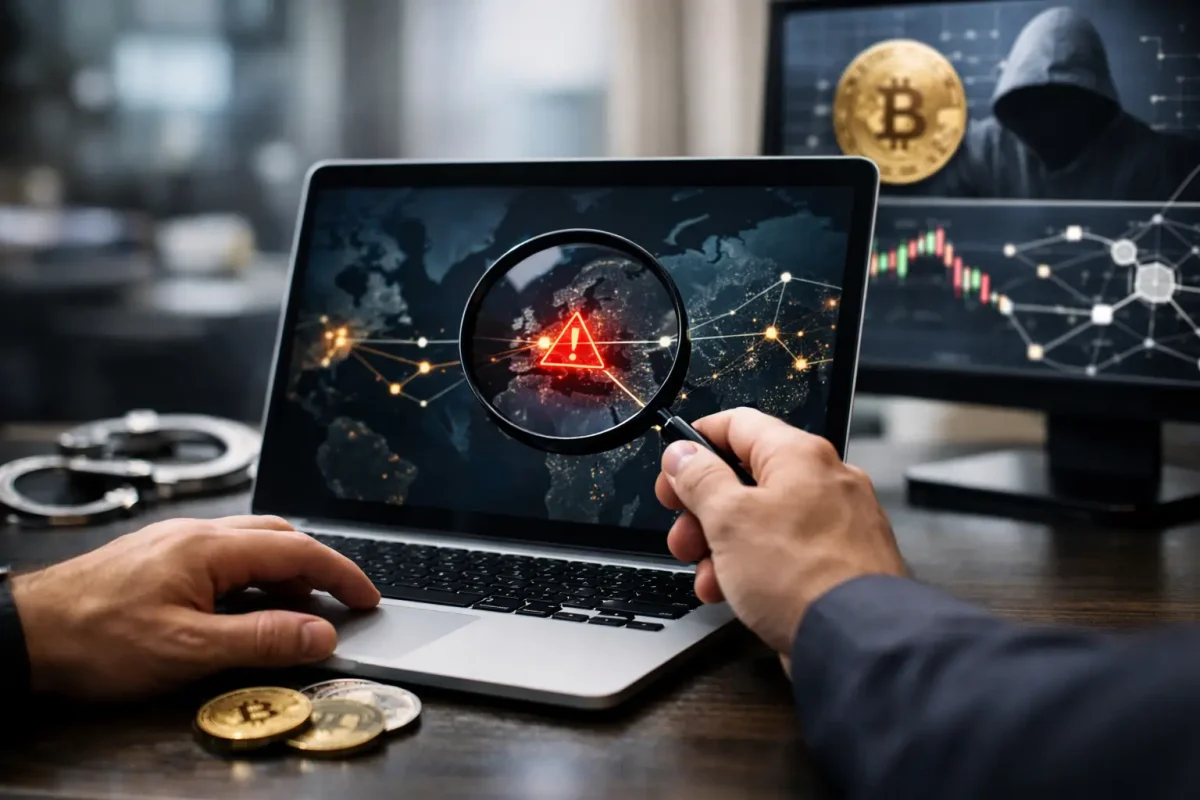
The first hour after discovering stolen crypto can determine whether critical evidence is preserved or lost. While blockchain transfers cannot usually be reversed by simply contacting a wallet provider, it may be possible to trace stolen crypto transactions through the public ledger, identify connected wallets, and document the route assets took after leaving your account.
That work requires more than pasting a transaction ID into a block explorer. Scam operators commonly move funds across multiple wallets, swap tokens, use bridges, or send assets to centralized exchanges. A professional forensic process turns those visible fragments into evidence that can support exchange reporting, legal action, and targeted recovery efforts.
How to Trace Stolen Crypto Transactions After a Theft
Start by locating the outgoing transaction in your wallet history or exchange withdrawal records. Save the transaction hash, the sending and receiving wallet addresses, the date and time, the asset type, and the amount transferred. These details form the starting point for a blockchain investigation.
A transaction hash shows that a transfer occurred, but it does not explain who controlled the receiving address or where the funds went next. For that, investigators follow the transaction trail across subsequent wallet movements. They examine whether the receiving wallet split assets into smaller amounts, consolidated funds with other victims’ deposits, converted tokens through decentralized exchanges, or transferred proceeds to an identifiable service.
The speed of the response matters. Fraudsters may move stolen Bitcoin, Ethereum, USDT, or other assets within minutes. Even so, a fast transfer does not automatically make the trail unrecoverable. Public blockchains retain transaction history permanently. The challenge is connecting activity across addresses and recognizing the patterns that point to a scam network, cash-out route, or exchange deposit.
Preserve Evidence Before You Take Further Action
Do not send additional funds to a scammer who claims you must pay a tax, verification fee, or recovery deposit before your assets can be released. This is a common continuation of investment, romance, and fake trading-platform fraud. Also avoid repeatedly interacting with suspicious smart contracts or websites, as doing so can expose additional wallet permissions.
Preserve the evidence you already have. A useful case file should include:
- Transaction hashes, wallet addresses, asset amounts, dates, and network names
- Screenshots of wallet activity, exchange withdrawals, balances, and error messages
- Messages, emails, phone numbers, social media profiles, and website addresses used by the scammer
- Records of deposits to a fraudulent investment platform, including account statements and payment instructions
Keep original files where possible. Screenshots help explain the event, but raw wallet exports, email headers, chat logs, and exchange notices can provide more reliable timestamps and technical details. If a device, wallet file, seed phrase backup, or Bitcoin Core DAT file is involved, do not alter it while trying random repair methods. Improper attempts can overwrite data that may be relevant to recovery.
What Blockchain Forensics Looks For
Blockchain forensics is the process of analyzing transaction data to determine how assets moved and which addresses may be connected. It combines ledger analysis with behavioral evidence. The objective is not merely to display transactions but to build a defensible view of the theft route.
Investigators look for wallet clustering signals. For example, several addresses may appear to be controlled by the same actor when they repeatedly receive funds together, share transaction behavior, or funnel assets into a single consolidation wallet. They also examine timing. A receiving address that forwards funds seconds after deposits arrive may be part of an automated scam collection process rather than an ordinary personal wallet.
Token swaps, bridges, and cross-chain transfers add complexity. A scammer may receive USDT on Ethereum, swap it for ETH, bridge it to another network, then exchange it again. Each step can create a new address and transaction format. Following that route requires network-specific analysis and careful verification, especially when stablecoins exist on multiple chains.
For victims of fake investment platforms, the displayed account balance is often not the real asset location. The platform may show fabricated profits while deposits were sent directly to wallets controlled by the fraud operation. The forensic focus should be on the actual blockchain transactions from the victim’s wallet or exchange, not the balance displayed on the fraudulent website.
When Stolen Crypto Can Be Actionable
Tracing is valuable because funds sometimes reach a point where action is possible. Centralized exchanges, payment services, and certain custodial platforms may hold identity or account records associated with deposits. If stolen assets can be traced to one of these services, a well-documented report may support a compliance review, account restriction, or request from law enforcement or legal counsel.
Results depend on the facts. The chances of meaningful intervention can be affected by the asset, blockchain, time elapsed, transaction volume, the scammer’s laundering methods, and whether the funds reached a regulated service. No legitimate recovery provider should claim that every theft can be reversed or that a transaction can be magically deleted from a blockchain.
A strong investigation identifies both opportunities and limitations. It may reveal that funds remain in a monitored wallet, that they were routed through a known scam cluster, or that they have already moved through services with limited visibility. Clear findings help victims decide how to proceed rather than spending more money on vague promises.
Avoid the Second Scam
People who lose crypto are frequently targeted again by fake recovery agents. These operators may contact victims through social media, claim they have already located the funds, or demand an upfront payment to “activate” a recovery. Some impersonate law firms, government agencies, cybersecurity companies, or blockchain analysts.
Be cautious if someone guarantees recovery, asks for your seed phrase or private keys, requests remote access to your computer, or insists on payment in crypto before providing a credible explanation of the work. A legitimate provider can explain what evidence is needed, what analysis will be performed, and what the process can and cannot establish.
Never share a seed phrase, private key, wallet backup password, or recovery code with a tracing service. Transaction tracing does not require control of your wallet. If wallet-access restoration is needed, that is a separate technical matter and should be handled through a secure, confidential process.
A Professional Path From Evidence to Action
A recovery case typically begins with an evaluation of the theft and available records. The next stage is forensic analysis, where investigators map transactions, assess wallet relationships, and identify relevant services or scam indicators. From there, an appropriate recovery strategy can be developed based on the evidence, jurisdiction, and available intervention routes.
Annonymously uses its BlockSprint AI™ platform alongside professional blockchain analysis to examine transaction patterns, scam-wallet clusters, and potential routes for targeted recovery action. For clients, the purpose is straightforward: replace uncertainty with a documented, technically grounded picture of what happened to their assets.
If your funds were stolen, protect your remaining accounts, preserve every record, and report the incident through the appropriate exchange and law-enforcement channels. Then seek an independent forensic assessment before sending another dollar or another crypto transaction to anyone promising a quick fix. The right next step is not panic. It is evidence, clarity, and careful action.
